
How to Evaluate a Pigment Dispersion Supplier Before Importing to Brazil
If you're sourcing pigments for paints, coatings, or plastics in Brazil, you already know the challenge: your products need to perform under one of the most demanding climatic environments on Earth. Intense UV radiation, coastal humidity, tropical rainfall, and wide temperature swings can quickly expose weaknesses in low-quality formulations. One weak link in your supply chain, especially a poorly formulated dispersante de pigmentos (pigment dispersant), can lead to coating failures, customer complaints, and costly repainting cycles that erode your margins.
But importing from overseas suppliers comes with risks. Choosing the wrong supplier can cost far more than the initial savings on price. This guide explains how to evaluate a pigment dispersion supplier before placing your first order.
What Is a Pigment Dispersion?
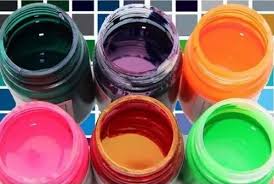
Pigment dispersion is the process of evenly distributing pigment particles throughout a liquid medium such as water, solvent, or resin to achieve consistent color, stability, and performance. This process uses a dispersante de pigmentos to stabilize the particles and prevent them from clumping together, ensuring smooth application and long-term durability in the final product.
A pigment dispersion supplier manufactures or formulates these concentrated pigment mixtures for use in paints, industrial coatings, plastics, construction materials, and other industrial applications.
The quality of a supplier’s pigment dispersions directly impacts:
- Color consistency across production batches
- Long-term adhesion and coating film integrity
- Resistance to UV degradation, moisture, and heat
- Stability during storage and transportation
- Performance reliability in harsh climates like Brazil
In practical terms, a supplier is not simply selling raw material. They are contributing to the durability and reputation of your finished product.
Learn how chrome oxide green improves durability in industrial coatings and exterior applications exposed to harsh UV, moisture, and extreme weather conditions.
Why Supplier Evaluation Matters Before Importing to Brazil
Brazil’s climate creates one of the most demanding environments for coatings and pigmented materials. This makes supplier evaluation a critical commercial decision.

Strong UV Exposure
Brazil receives some of the highest UV index levels in the world, especially during summer months. Pigments with weak UV resistance fade quickly, reducing both visual appeal and protective performance.
Coastal Humidity
With more than 7,000 kilometers of Atlantic coastline, coatings in Brazil are frequently exposed to moisture and salt-laden air. Poor-quality pigment dispersions may contribute to blistering, corrosion, and coating breakdown.
Heavy Rainfall
Extended rainy seasons expose exterior coatings to constant water contact. Weak binder compatibility or unstable pigment dispersions can lead to chalking, cracking, and delamination.
Industrial Pollution
Industrial zones such as São Paulo, Minas Gerais, and Rio Grande do Sul expose coatings to chemicals and pollutants that demand high pigment stability and chemical resistance.
Temperature Fluctuations
Brazil’s climate varies from subtropical to equatorial conditions. Low-quality pigment dispersions may flocculate or separate during transportation and storage, creating production inconsistencies.
Poor pigment quality amplifies these environmental stress factors, increasing maintenance costs and reducing product lifespan.
Explore how Pigment Green 7 is widely used across Canada’s paints, plastics, printing inks, rubber, and powder coating industries due to its excellent heat, UV, and chemical resistance.
Key Factors to Evaluate Before Choosing a Supplier
Product Consistency and Batch Stability
Always request Certificates of Analysis (CoA) for multiple batches. Evaluate:
- Particle size distribution
- Viscosity consistency
- Color strength
- ΔE color tolerance values
Reliable suppliers maintain tight production tolerances and consistent quality standards.
UV and Weather Resistance Performance
Ask suppliers for accelerated weathering test data based on standards such as:
- ISO 11341
- ASTM G155
For Brazilian outdoor applications, Blue Wool Scale ratings of 7 to 8 are generally recommended.
Heat and Moisture Resistance
Pigment dispersions should remain stable after prolonged storage at elevated temperatures. This is particularly important during freight transportation across Brazil.
Technical Certifications and Compliance
A credible supplier should provide:
- ISO 9001 certification
- REACH compliance documentation
- Traceable technical certifications
- Proper SDS and MSDS documentation
Always verify certificates independently.
Packaging and Export Capabilities
Choose suppliers experienced in exporting to Latin America. Important considerations include:
- Proper IBC container labeling
- Portuguese documentation
- Correct HS code classification
- Familiarity with Brazilian import procedures
Custom Color Matching Support
The organic pigment dispersions market increasingly demands customized shades and brand-specific colors. Suppliers with laboratory support and spectrophotometer-based matching systems can significantly improve formulation accuracy.
Lead Times and Logistics Reliability
Most overseas shipments to Brazil require 30 to 60 days by sea freight. Ask suppliers about:
- Minimum order quantities
- Inventory policies
- Buffer stock availability
- Delivery reliability records
Technical Support and After-Sales Service
A strong supplier should provide technical guidance when compatibility issues arise between their dispersante de pigmentos and your resin systems or formulations.
Conclusion: Choose Your Supplier as Carefully as Your Formulation
In a demanding market like Brazil, the supplier behind your dispersante de pigmentos is just as important as the pigment itself. The wrong supplier can lead to coating failures, supply disruptions, and damaged customer trust. The right pigment supplier provides consistent quality, reliable logistics, and technical expertise that strengthens your entire production process.
Before importing, conduct thorough due diligence:
- Request technical datasheets
- Review batch-tested samples
- Verify certifications
- Evaluate UV, heat, and moisture resistance data
- Assess export experience and logistics capabilities
Ready to evaluate a supplier that meets these standards?
Contact our technical team today to request product datasheets, certified test reports, and product samples tailored to your application requirements. Whether you manufacture industrial coatings, exterior paints, or construction materials, we can help you source with confidence.
Frequently Asked Questions
1. What is a dispersante de pigmentos?
A dispersante de pigmentos is a chemical additive that stabilizes pigment particles and keeps them evenly distributed within a liquid medium. It prevents agglomeration and improves color consistency, tinting strength, and coating performance.
2. How do I verify pigment dispersion quality before importing?
Request product samples and perform independent testing, including particle size analysis, color strength evaluation, ΔE comparison testing, and accelerated weathering tests. Compare supplier data with your own formulation results.
3. Why is UV resistance so important in Brazil?
Brazil experiences extremely high UV exposure throughout the year. UV radiation accelerates fading, chalking, and coating degradation, making UV-stable pigment dispersions essential for long-term durability.
4. What certifications should a pigment dispersion supplier have?
Look for ISO 9001 certification, REACH compliance, industry-specific compliance documents, and export documentation experience. Suppliers with global export operations generally maintain stronger quality systems.
5. What industries use pigment dispersions?
Pigment dispersions are widely used in paints, coatings, plastics, textiles, inks, and construction materials. They help achieve consistent color, durability, and processing efficiency.
6. Why is particle size important in pigment dispersions?
Smaller and uniform particle sizes improve color strength, gloss, and coating smoothness. Poor particle distribution can lead to uneven color and reduced product performance.
7. How do pigment dispersions improve coating durability?
High-quality pigment dispersions improve UV resistance, moisture protection, and chemical stability. This helps coatings last longer in harsh outdoor environments.