Yellow 5 is one of the most widely used synthetic colorants across multiple industries. Known for its bright yellow appearance, excellent stability, and cost-effectiveness, it plays a crucial role in food, beverages, pharmaceuticals, cosmetics, and industrial applications. As demand for vibrant and consistent coloring solutions continues to grow, businesses across Canada are increasingly seeking a reliable Yellow 5 manufacturer and Yellow 5 supplier to meet their production needs.
In this article, we'll explore what Yellow 5 is, how it is manufactured, and the various industrial sectors that rely on this versatile color additive.
What Is Yellow 5?
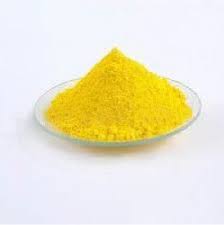
Yellow 5, also known as Tartrazine (E102), is a synthetic lemon-yellow azo dye commonly used to add color to products. It is water-soluble and offers excellent color intensity, making it a preferred choice for manufacturers looking to achieve a bright yellow shade in their products.
The popularity of Yellow 5 color stems from its ability to provide consistent results while maintaining stability under different processing and storage conditions. It is approved for use in many countries, including Canada, when used within regulatory guidelines.
Looking for other high-performance colorants and additives? Explore how carbon black enhances printing ink performance in our detailed guide on carbon black for printing inks.
Manufacturing Process of Yellow 5
The production of Yellow 5 pigment involves a carefully controlled chemical synthesis process to ensure purity, consistency, and compliance with industry standards.
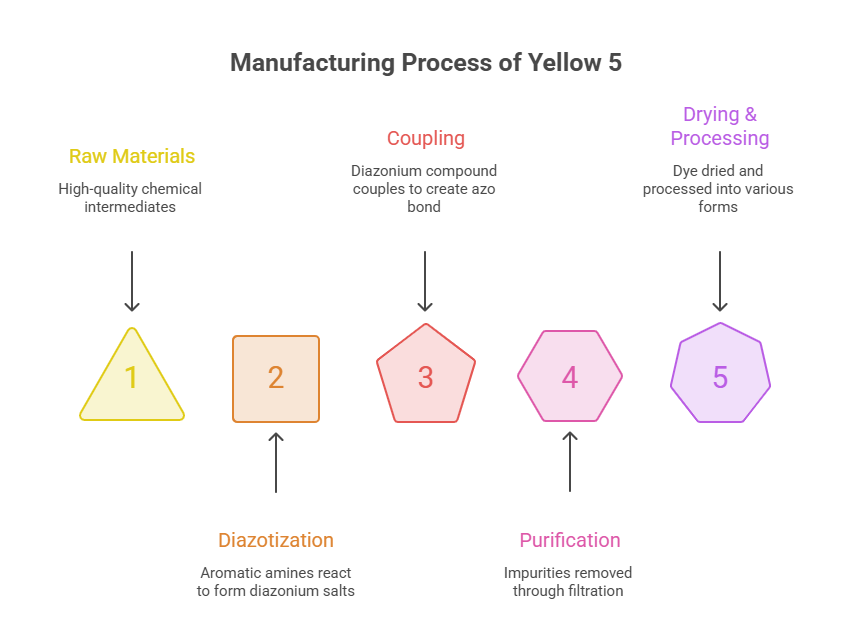
1. Selection of Raw Materials
The manufacturing process begins with the selection of high-quality chemical intermediates. These raw materials are chosen based on strict quality requirements to ensure the final product meets regulatory and performance standards.
2. Diazotization Reaction
One of the key steps in producing Yellow 5 involves a diazotization reaction. In this process, aromatic amines react with nitrous acid under controlled temperature conditions to form diazonium salts.
3. Coupling Process
The diazonium compound is then coupled with another aromatic compound to create the characteristic azo bond responsible for the vibrant yellow coloration. This stage determines the dye's color strength and stability.
4. Purification and Filtration
After synthesis, the product undergoes purification to remove impurities and unwanted byproducts. Advanced filtration techniques help achieve the desired quality and consistency.
5. Drying and Processing
The purified dye is dried and processed into various forms, including powder, granules, or liquid solutions, depending on customer requirements and intended applications.
6. Quality Control Testing
A reputable Yellow 5 manufacturer performs extensive testing throughout the production process. Parameters such as color strength, purity, moisture content, solubility, and stability are carefully monitored to ensure compliance with industry regulations.
As Brazil's plastics industry continues to grow, manufacturers are exploring both solvent dyes and advanced pigment technologies to meet evolving performance and aesthetic requirements.
Key Properties of Yellow 5
Several characteristics make Yellow 5 a preferred coloring agent across industries:
- Bright and attractive yellow appearance
- Excellent water solubility
- High color strength
- Good heat stability
- Consistent batch-to-batch performance
- Cost-effective coloring solution
- Compatibility with various formulations
These properties have contributed to the widespread use of Yellow 5 color in both consumer and industrial products.
Industrial Uses of Yellow 5
Thanks to its bright hue, excellent stability, and versatility, Yellow 5 is widely used across several industries. From consumer goods to specialized manufacturing applications, this colorant helps improve product appearance, consistency, and brand recognition.
Food and Beverage Industry
The food sector remains one of the largest consumers of Yellow 5. Manufacturers use it to enhance the visual appeal of products such as:
- Soft drinks
- Flavored beverages
- Confectionery products
- Desserts
- Bakery items
- Snack foods
- Ice creams
The bright appearance provided by Yellow 5 color helps create products that attract consumers and maintain a consistent appearance across production batches.
Pharmaceutical Industry
In pharmaceuticals, Yellow 5 is commonly used in:
- Tablets
- Capsules
- Syrups
- Nutritional supplements
Color coding helps manufacturers differentiate products while improving consumer recognition and brand consistency.
Cosmetic and Personal Care Products
Many cosmetic manufacturers use Yellow 5 pigment in products such as:
- Shampoos
- Soaps
- Body washes
- Creams
- Lotions
- Makeup products
Its stability and vibrant color make it suitable for a wide range of personal care formulations.
Industrial and Chemical Applications
Beyond consumer products, Yellow 5 is also used in several industrial applications where color consistency is important. Manufacturers may incorporate it into specialty formulations requiring stable and uniform coloration.
Pet Food Industry
Pet food manufacturers use approved color additives to improve product appearance and maintain visual consistency. Yellow 5 can be found in selected pet food products and treats where permitted by regulations.
While Yellow 5 is widely used for vibrant coloration, inorganic pigments such as Chrome Oxide Green are valued for their durability and performance in demanding outdoor coating applications.
Growing Demand for Yellow 5 in Canada
The Canadian market continues to witness steady demand for food-grade and industrial colorants. Food processors, beverage companies, pharmaceutical manufacturers, and cosmetic brands all require reliable coloring solutions that comply with Canadian quality and safety standards.
As a result, businesses increasingly look for an experienced Yellow 5 supplier capable of providing:
- Consistent product quality
- Regulatory compliance
- Reliable inventory management
- Technical support
- Competitive pricing
- Timely delivery across Canada
Choosing the right supplier can significantly impact product quality, manufacturing efficiency, and customer satisfaction.
Different industries require different color solutions. Explore how pearlescent pigments are manufactured and why they are widely used in coatings, plastics, cosmetics, and decorative applications.
How to Choose a Reliable Yellow 5 Manufacturer
When sourcing Yellow 5, Canadian businesses should consider several factors:
Product Quality
Work with a Yellow 5 manufacturer that follows strict quality control procedures and provides detailed product specifications.
Regulatory Compliance
Ensure the supplier adheres to applicable food safety and manufacturing regulations and can provide necessary certifications.
Production Capacity
A reliable supplier should be capable of meeting both small and large-scale orders without compromising quality.
Technical Expertise
Industry experience and technical support can help businesses optimize formulations and resolve application challenges.
Supply Chain Reliability
Consistent product availability is essential for maintaining uninterrupted manufacturing operations.
Conclusion
Yellow 5 remains one of the most important synthetic colorants used across food, pharmaceutical, cosmetic, and industrial sectors. Its bright appearance, excellent stability, and cost-effectiveness make it a preferred choice for manufacturers worldwide. Understanding the manufacturing process and applications of Yellow 5 pigment helps businesses make informed sourcing decisions and maintain product quality standards.
For companies operating in Canada, partnering with an experienced Yellow 5 manufacturer and Yellow 5 supplier ensures access to high-quality products, regulatory compliance, and reliable long-term support in an increasingly competitive market.
FAQs
1. What is Yellow 5 used for?
Yellow 5 is a synthetic yellow colorant commonly used in food, beverages, pharmaceuticals, cosmetics, personal care products, and certain industrial applications. It helps improve product appearance and maintain consistent coloration.
2. Is Yellow 5 approved for use in Canada?
Yes, Yellow 5 (Tartrazine) is approved for use in Canada when used according to the regulations and guidelines established by Canadian food and health authorities.
3. What is the difference between Yellow 5 color and Yellow 5 pigment?
Yellow 5 color typically refers to the dye used to provide yellow coloration in various products, while Yellow 5 pigment may refer to formulations or applications where the colorant is incorporated into specific industrial or manufacturing processes.
4. How is Yellow 5 manufactured?
Yellow 5 is produced through a controlled chemical synthesis process involving diazotization, coupling reactions, purification, filtration, drying, and quality testing to ensure consistent color strength and purity.
5. Which industries commonly use Yellow 5?
Industries that frequently use Yellow 5 include:
- Food and beverage manufacturing
- Pharmaceutical production
- Cosmetics and personal care
- Nutritional supplements
- Pet food manufacturing
- Specialty industrial applications
6. Why do manufacturers choose Yellow 5?
Manufacturers prefer Yellow 5 because it offers bright color intensity, excellent water solubility, good heat stability, consistent performance, and cost-effective coloring solutions.
7. What should I look for in a Yellow 5 manufacturer?
When selecting a Yellow 5 manufacturer, consider product quality, regulatory compliance, manufacturing capacity, quality certifications, technical support, and supply chain reliability.
8. How can I find a reliable Yellow 5 supplier in Canada?
Look for suppliers with proven industry experience, consistent product quality, regulatory compliance documentation, strong customer support, and the ability to provide timely deliveries across Canada.